
Shower Options for a New Bathroom or Bathroom Renovation
Planning a Shower That Actually Works for Your Home
When you’re thinking about bathroom renovations in Wellington, the shower is often where it all starts. It’s the most used part of the bathroom, and when it’s done well, it makes the whole space feel calm, practical, and easy to live with (and easy to clean and maintain!).
At Ka Pai Plumbing we work with homeowners every week who are weighing up bathroom renovation ideas - from full new bathrooms through to smarter upgrades that avoid ripping everything out. Whether you’re building new, renovating, or refreshing what you already have, here’s what to consider when choosing the right shower option.
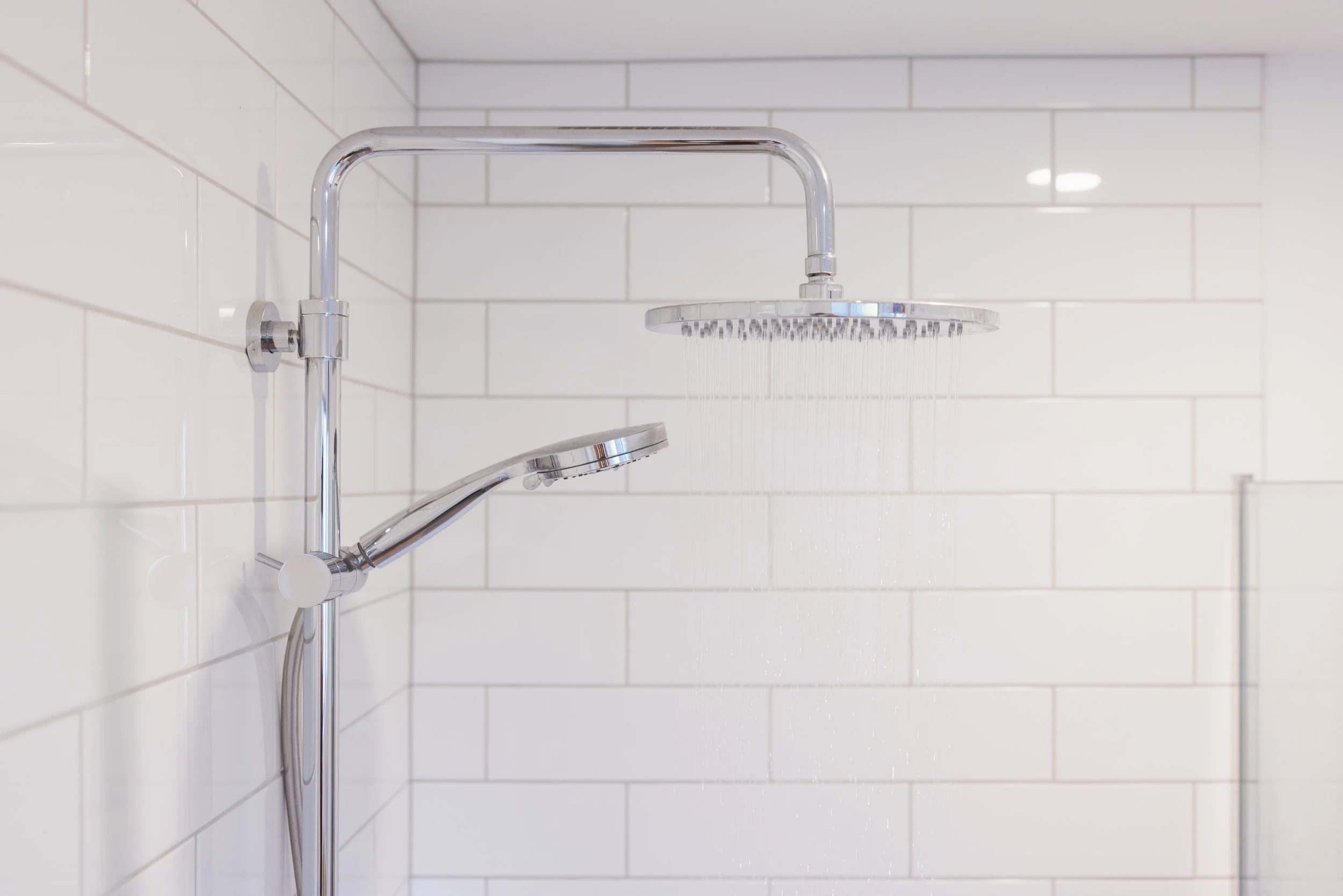
Shower Options for New Bathrooms and Renovations
Fully Tiled Showers
A fully tiled shower is our favourite. It gives you flexibility in layout, looks seamless, and can be customised to suit your space. It is however the most expensive option but a long-term premium finish.
Things to keep in mind:
Requires experienced waterproofing and falls
It may require council consent
More labour-intensive than shower
Excellent longevity when done properly
Tile maintenance and cleaning
Acrylic Showers
Acrylic shower units are quicker to install and often more budget-friendly.
Best for:
Straightforward layouts
Budget conscious renovations
Upgrading an existing acrylic shower
Rental properties
Time-sensitive renovations
They’re practical, reliable, and easier to maintain - but offer less flexibility in design.
Walk-In Showers and Level-Entry Designs
Level-entry showers are a big trend in bathroom renovation ideas, especially for families and homes with older residents. These can be done with a tiled finish or a shower tray rebated into the floor.
Benefits include:
Easier access
Cleaner, modern look
Fewer edges and joins
These require careful planning of drainage and floor levels, so it’s important to involve a plumber early.
Why Involving a Plumber Early Matters
Bathroom renovations are one of those jobs where cutting corners early almost always costs more later. Good plumbing design ensures:
Correct drainage and falls
Long-lasting waterproofing
Compliance with NZ building standards
Fewer call-backs and headaches down the track
Let’s Make Your Bathroom Renovation Feel Easy
If you’re planning a new shower, exploring bathroom renovation ideas, or wondering how to cover your shower floor without removing tiles, we’re here to help.
Fill out our website form and we’ll talk you through the best options for your home, your budget, and your timeline.
FAQ - Shower Renovations & Flooring
How much does it cost to redo a tiled shower?
Costs typically range from $5,000 to $15,000+ depending on size, materials, and complexity.
Can you replace a shower floor only?
Yes - in some cases. It depends on the condition of the existing waterproofing and structure.
How can I cover my shower floor without removing tiles?
Overlay systems, specialised coatings, or tray installations can sometimes be installed over existing tiles.
Is it cheaper to renovate a shower than a full bathroom?
Yes. Targeted shower upgrades can significantly improve your bathroom without the cost of a full renovation. One of our favourites is upgrading an old stainless shower tray to a more modern solution.
Do I need council consent for a shower renovation?
Often no, but this depends on the scope of work. We’ll help guide you through what’s required.
Will I need other trades to upgrade my shower?
It depends on what upgrade you select and the scope of the work being done. We have a group of tradespeople we regularly work with and make recommendations if required.
Can you replace a shower floor only?
Yes, in some situations. If the walls and waterproofing are in good condition, replacing just the shower floor can be a smart, cost-effective solution. We assess each bathroom carefully to make sure this option won’t create future issues.